



10th Planet vs. Traditional Gi BJJ: What’s Actually Different
Posted Nov 13th 2026
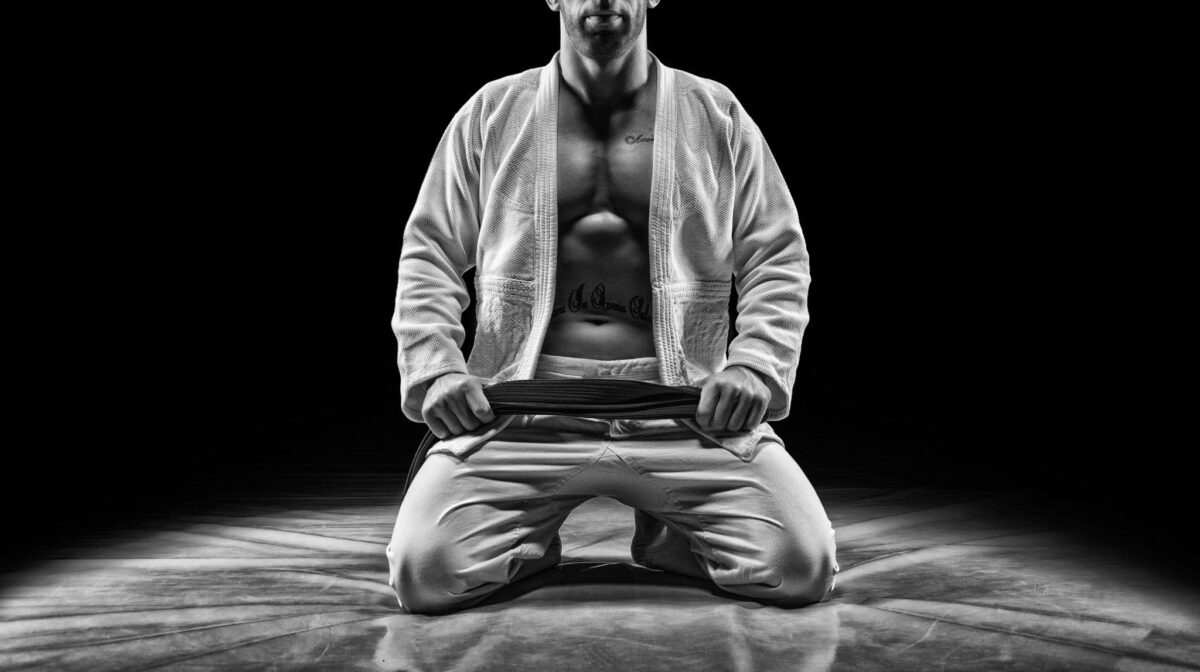
The core difference between 10th Planet Jiu-Jitsu and traditional gi BJJ isn’t the uniform — it’s what the absence of the gi changes about grappling itself. No-gi removes cloth grips, which can speed up transitions, shifts control to body and limb positioning instead of fabric, and rewards a different set of skills than gi grappling does. 10th Planet builds its entire curriculum around that shift; many traditional academies teach gi first, although the balance of gi and no-gi training varies by school.
Here’s what that actually means for someone deciding between them.
In gi grappling, the uniform itself becomes a tool: collar chokes, sleeve and lapel grips, and gi-specific guards like spider guard or worm guard all depend on fabric that simply isn’t there in no-gi. Take the gi away and those techniques stop working — control has to come from overhooks, underhooks, wrist control, and body positioning instead.
That’s not a small stylistic difference. A student who’s spent years developing gi-based grip fighting often has to relearn a meaningful part of their control game when they switch to no-gi, and vice versa. The IBJJF awards points for positions such as mount, back control, and guard passes in both gi and no-gi competition. The ruleset a student prepares for helps shape what gets drilled, alongside the techniques available with or without cloth grips.
Fewer grips to fight for and less friction from fabric usually means transitions happen faster and scrambles are more common. This is part of why 10th Planet develops control systems that do not depend on cloth grips. The rubber guard, for example, uses the legs to help control an opponent’s posture rather than relying on sleeve or lapel grips.
Neither pace is objectively better. It’s a matter of what a given student finds more engaging, and what they’re training toward.
Traditional gi BJJ, especially in IBJJF competition formats, emphasizes point-scoring positions as well as submissions. Submission-only events are also influential in the 10th Planet community and the wider no-gi scene. Bravo’s Eddie Bravo Invitational uses submission-only regulation rounds and an overtime format starting from back control or the spiderweb armbar position. No-gi is not synonymous with submission-only, however: IBJJF no-gi events also use positional scoring.
That shift in emphasis can carry into everyday training: a submission-focused no-gi class may spend dedicated time on leg lock entries and defenses. Leg attacks have historically gotten less floor time in some gi-focused classes, though this has shifted across BJJ broadly in recent years as leg locks have become more mainstream. The actual balance depends on the coach, the students’ experience, and the competition rules they train for.
No-gi grappling and leg lock-heavy systems in particular get more scrutiny around knee safety — a fast-moving leg entanglement puts real torque on the joint, and inexperienced partners can be less careful. That’s a fair concern and worth asking a coach about directly: how are leg locks introduced, and what are the expectations around tapping early for newer students?
At the same time, gi grappling has its own injury concerns, including stress on fingers and wrists from gripping. Research on BJJ injuries reports injuries to the hands, fingers, knees, and other joints; it does not justify assuming that one style is always safer. A lot depends on how a specific gym manages sparring intensity and progression regardless of style. If training safety is a concern, explore our Brazilian Jiu-Jitsu program and ask a coach how techniques and sparring are introduced.
If your goal is MMA or grappling without relying on clothing grips, no-gi — and by extension a system like 10th Planet — maps more directly onto that scenario. For self-defense, grappling is only one part of a broader skill set.
If you want to compete in traditional gi tournaments, or you appreciate the technical depth of gi-specific guard work, a gi-first academy is the more direct path.
If you’re not sure yet, that’s a legitimate reason to try both. Many grapplers end up training both gi and no-gi over time, since the skills reinforce each other more than they conflict. Check our schedule and come in for a free first class before deciding.
Not necessarily easier — just different. No-gi tends to be faster-paced and relies more on body positioning, which some beginners find more intuitive than gi grip fighting, but it comes with its own learning curve, particularly around leg entanglements.
Some transfer directly — positional concepts, submissions, and general grappling principles carry over. Gi grips add control options and can change how a technique is set up or defended, so techniques developed without cloth grips may need adjustments in a gi context.
You cannot infer a higher knee injury risk simply from the absence of a gi. Leg locks can injure the knee when applied or defended without control, and the relevant factors include the ruleset, experience, and training intensity. Ask a coach how leg attacks are introduced, which techniques are allowed for beginners, and how partners are expected to respond to a tap.
Yes, and it’s common. The underlying grappling principles — base, pressure, timing — transfer between styles. What doesn’t transfer directly is grip-specific technique, so expect an adjustment period in either direction.
©2026 ETOBICOKEMARTIALARTS. All Rights Reserved.


