



Why Muay Thai Styles Differ in the West and East
Posted Dec 15th 2025
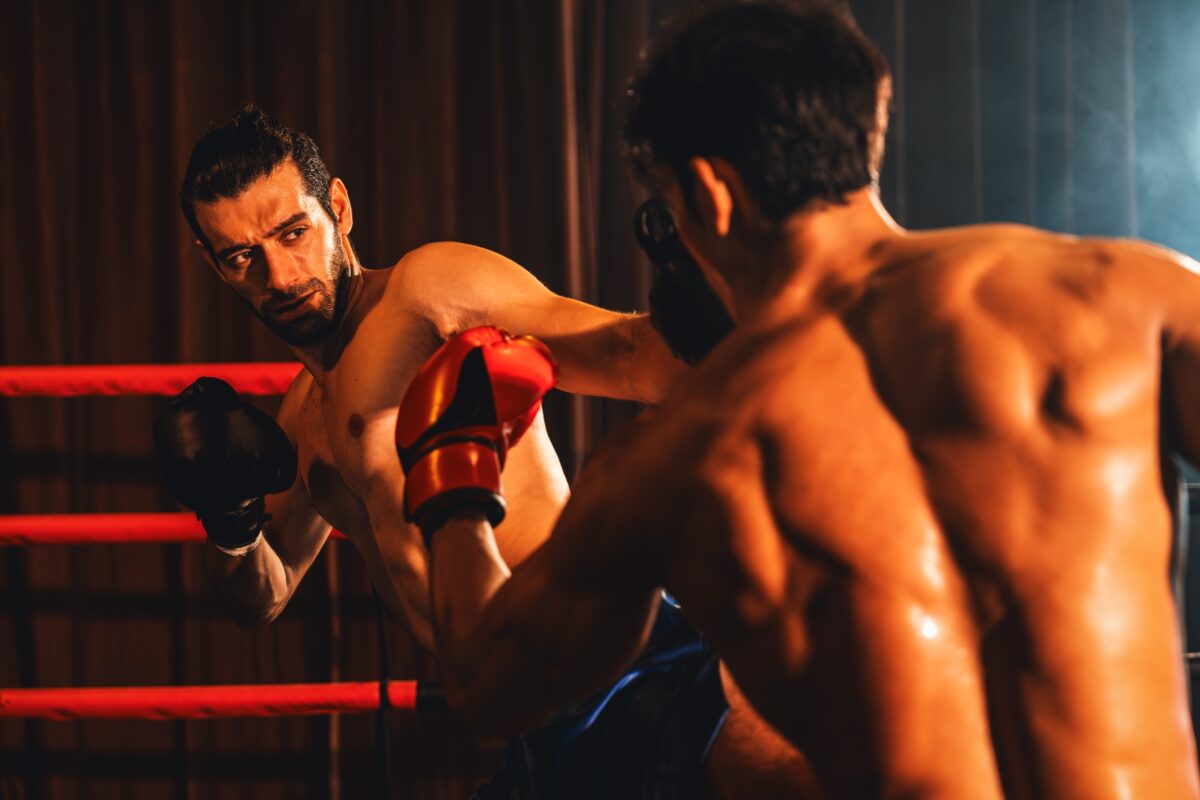
Muay Thai, the ancient martial art known as the “Art of Eight Limbs,” has evolved into distinctly different forms as it spread from its birthplace in Thailand to gyms and training facilities across the Western world. While both Eastern and Western practitioners share the fundamental principles of using fists, elbows, knees, and shins as weapons, the technical execution and strategic approaches have diverged significantly over the decades.
The traditional Thai style, deeply rooted in centuries of cultural heritage and refined through countless battles in Bangkok’s legendary stadiums, emphasizes patience, rhythm, and technical precision. In contrast, the Western adaptation has been shaped by different competitive environments, training methodologies, and cultural expectations, resulting in a more aggressive, boxing-influenced approach that prioritizes explosive power and quick finishes.
These differences aren’t merely stylistic preferences—they represent fundamentally different philosophies about combat, training, and what constitutes effective fighting. Understanding these distinctions reveals how the same martial art can manifest in remarkably different ways depending on its cultural context and competitive environment.
The most immediately noticeable difference between Eastern and Western Muay Thai lies in their approach to striking. Traditional Thai fighters employ a methodical, rhythmic style that treats each technique as part of a larger symphony of movement. Their kicks flow with a distinctive whipping motion, where the entire hip rotates to generate power from the core, creating that characteristic “thwack” sound when shin meets heavy bag. Thai practitioners favor long-range teeps (push kicks) to control distance and timing, using them not just as offensive weapons but as tools to disrupt their opponent’s rhythm and create openings for more devastating strikes.
Elbow techniques in the Eastern style are delivered with surgical precision, often in close quarters where fighters can slice through defenses with minimal telegraphing. Knees are thrust upward in a smooth, flowing motion that maximizes power while maintaining balance and defensive positioning. This approach reflects a “scoring” mentality, where techniques are designed to accumulate points over multiple rounds rather than seeking immediate knockouts.
Western Muay Thai, heavily influenced by Dutch kickboxing and boxing traditions, takes a markedly different approach. Practitioners integrate extensive hand combinations, chaining rapid-fire punches before transitioning to kicks or knees. The kicks themselves tend to be shorter and more explosive, sometimes resembling karate-style techniques with less emphasis on the full hip rotation that characterizes Thai kicks. This creates a more aggressive, knockout-oriented style where fighters prioritize overwhelming their opponents with volume and power rather than the methodical point accumulation favored in Thailand.
Perhaps nowhere are the differences more pronounced than in clinch work, where Eastern and Western styles represent almost entirely different combat philosophies. In traditional Thai Muay Thai, the clinch is considered a primary battlefield where fights are often won or lost. Thai fighters spend countless hours perfecting intricate grappling techniques, using holds like the “plum” (double collar tie) to control their opponent’s posture while delivering devastating knee strikes.
The Thai clinch game is a chess match of leverage and endurance, where fighters employ techniques like “swimming” (maneuvering arms to gain inside position) and various sweeps and throws to off-balance opponents. This creates extended exchanges where fighters can neutralize aggressive opponents and turn defense into offense seamlessly. The emphasis is on sustained control and gradual domination rather than quick exchanges.
Western Muay Thai practitioners, operating under different rule sets that often penalize extended clinching, have developed a more transitional approach to close-quarters combat. Their clinch work tends to be shorter and more explosive, used primarily to set up immediate strikes rather than establish prolonged control. Western fighters often incorporate wrestling elements, using clinches for quick takedowns or to create separation for stand-up exchanges. This adaptation makes Western clinch techniques more dynamic in short bursts but less enduring than their Eastern counterparts, reflecting the different competitive environments and referee interpretations that shape training priorities.
While the article effectively highlights the offensive differences between Eastern and Western Muay Thai, it overlooks a crucial aspect: defensive strategies. Traditional Thai Muay Thai places a significant emphasis on defensive techniques such as parrying, blocking, and evasive footwork. Thai fighters are known for their ability to absorb strikes and counter effectively, often using their superior conditioning to outlast their opponents.
Western Muay Thai, with its more aggressive approach, sometimes sacrifices defensive solidity for offensive output. This can leave Western fighters more vulnerable to counter-attacks and susceptible to accumulating damage over the course of a fight.
For those looking to develop a well-rounded Muay Thai game, understanding and incorporating solid defensive principles is essential. Etobicoke Martial Arts, located in Toronto, offers comprehensive training in Muay Thai, emphasizing both offensive and defensive techniques. Their experienced instructors provide a supportive environment for students of all levels to learn and grow. Discover the power of the Art of Eight Limbs: explore Muay Thai classes in Toronto.
©2026 ETOBICOKEMARTIALARTS. All Rights Reserved.


