



Gi, No-Gi, or Striking: Which Martial Art Should a Total Beginner Actually Start With
Posted Oct 06th 2026
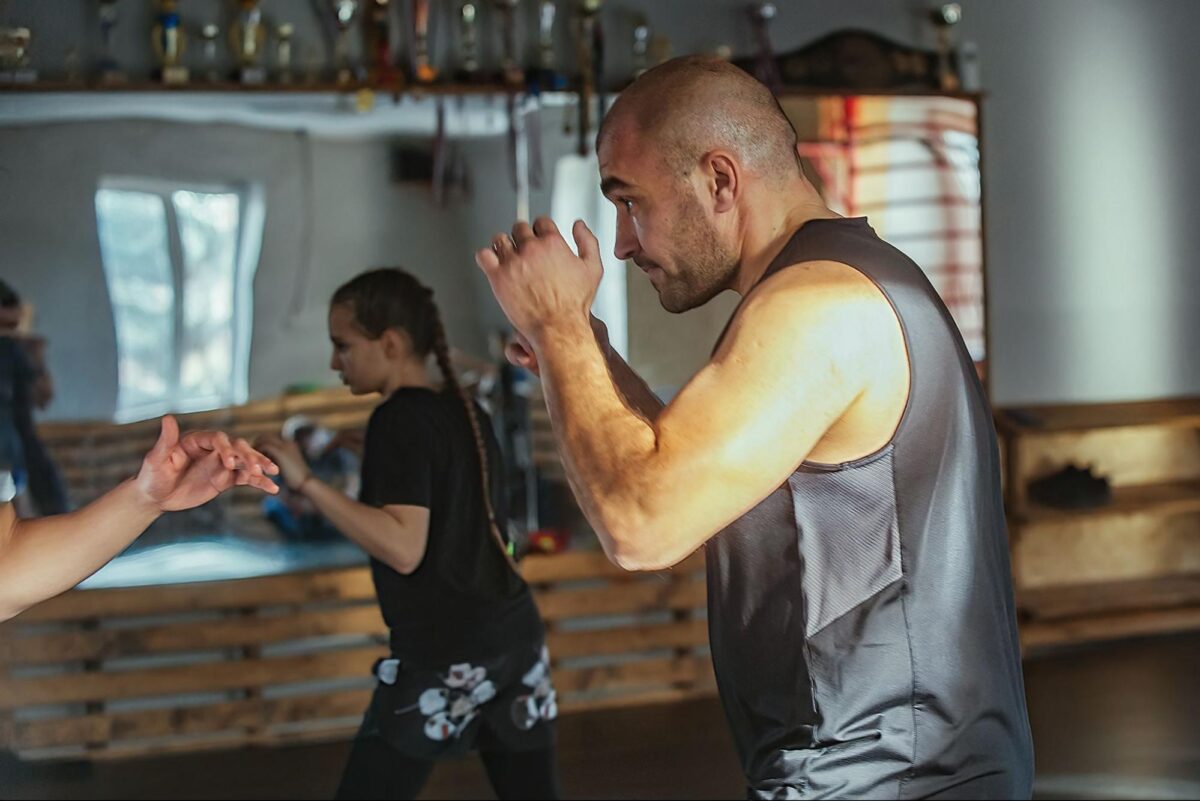
There’s no universally “best” first martial art. The right starting point depends on what you actually want out of training: a specific fitness style, contact tolerance, and how you prefer to learn a physical skill. Here’s how to actually match those to a discipline, rather than picking based on whichever one has the most content online.
If your priority is cardio and calorie burn: Boxing and Muay Thai are both high-output, conditioning-heavy disciplines. You’ll be moving and working for most of a class. Muay Thai adds elbows, knees, and clinch work on top of punching, increasing range of movement and full-body engagement compared to boxing alone. Research comparing Muay Thai and BJJ athletes found that striking-based disciplines like Muay Thai tend to develop higher cardiovascular output, while grappling arts like BJJ produce stronger strength and functional endurance results. Both are effective, just in different ways.
If your priority is strength and control, not necessarily cardio bursts: Wrestling and BJJ both emphasize positional control and grinding, physical work over explosive output. Wrestling in particular builds significant functional strength through constant level changes and grip fighting.
If your priority is self-defence specifically: Grappling arts (BJJ, wrestling) are generally considered strong for close-range, ground-based situations, since a large share of real physical altercations end up on the ground or in a clinch. Striking arts (boxing, Muay Thai) are more directly useful for keeping distance and ending a confrontation before it closes. Realistically, most self-defence-focused practitioners benefit from exposure to both eventually, but you don’t need to start with both.
If contact and getting hit is a hard no for you right now: BJJ and wrestling involve physical contact but not strikes; you can train hard without getting punched or kicked. This makes them a common starting point for people who want combat-sport intensity without strikes to the head or body.
If you’re still stuck, the most reliable method isn’t more research; it’s trying a class in each of the two or three disciplines that sound most appealing and noticing which one you’re still thinking about a day later. At Etobicoke Martial Arts, you can explore our full programs page to see every discipline we offer under one roof, which means you can test multiple options without committing to a separate gym for each one.
It’s also worth knowing that these aren’t permanent choices. A large number of long-term martial artists cross-train across multiple disciplines once they’ve built a base in one. Starting with BJJ doesn’t close the door on picking up Muay Thai later, and vice versa. If you’re curious what a first class actually looks like, check our schedule and come in for a free session before deciding anything.
Both burn a meaningful number of calories per session, but Muay Thai tends to have a higher steady cardio output due to constant striking and movement, while BJJ’s calorie burn comes more from sustained physical exertion during rolling. Consistency matters more than which discipline you pick.
There’s no required order — many MMA gyms have beginners start with whichever discipline is offered as the entry-level fundamentals class, then add the others progressively. Grappling is sometimes recommended first since ground control is harder to pick up quickly under pressure than striking basics.
No. Wrestling’s core skills — takedowns, top control, scrambling — are foundational to MMA and useful in any grappling-based self-defense context, independent of competing.
It’s possible, but most instructors recommend building a base in one discipline first so you’re not splitting limited practice time and mental bandwidth across two unfamiliar skill sets at once.
©2026 ETOBICOKEMARTIALARTS. All Rights Reserved.


