



How to Vet a Martial Arts Gym Before You Sign Up (Red Flags to Avoid)
Posted Aug 07th 2026
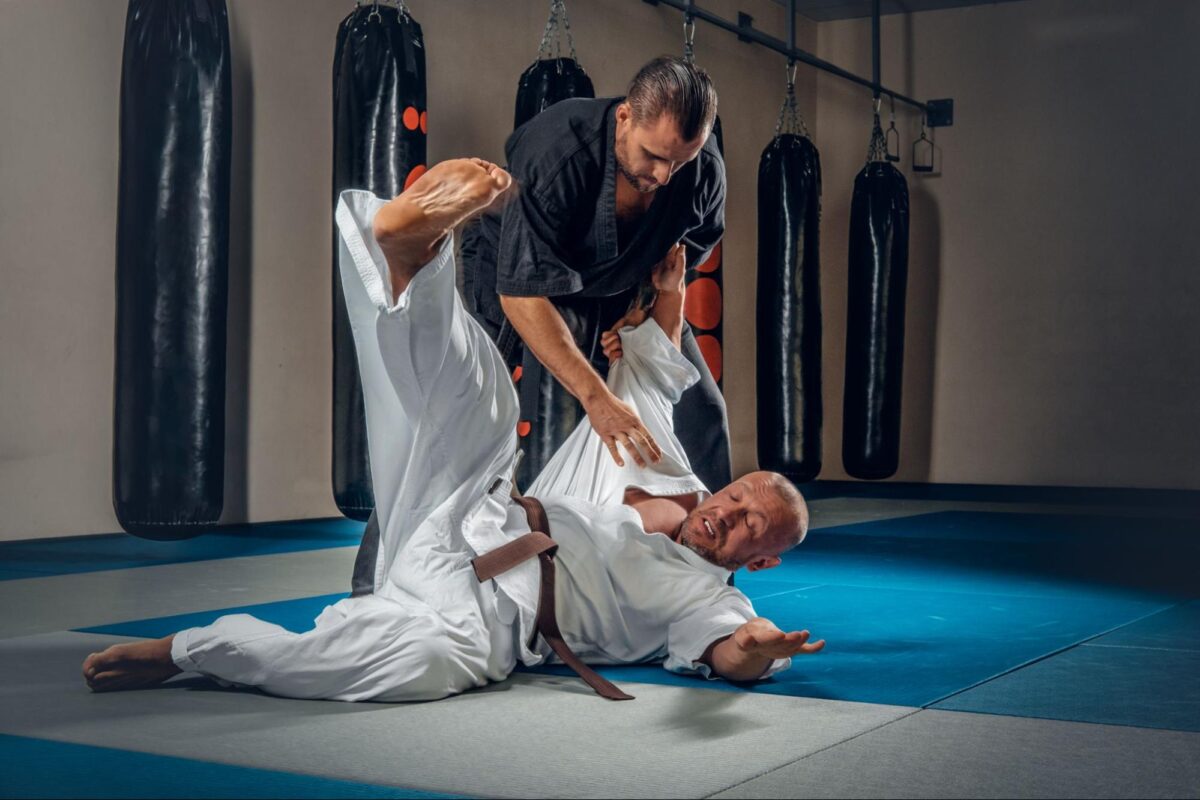
The fastest way to tell a legitimate martial arts gym from a mcdojo is to check five things before you sign anything: how belts are earned, whether sparring is a regular part of class, whether any students or instructors compete, whether the instructor’s credentials can actually be verified, and how the space is maintained. If a gym is vague or defensive about any of these, that’s your answer.
Picking a gym is a bigger decision than most people treat it as. You’re committing months, sometimes years, of time and money, and in a contact sport, your physical safety depends on who’s running the room. Here’s what to actually look for.
Every legitimate system — BJJ, Muay Thai, boxing, wrestling — has a promotion structure. The question isn’t whether one exists, it’s whether it’s tied to skill and time on the mat, or to a payment schedule.
Watch for: extra “sub-belts” or stripe levels that don’t exist in the standard system, testing fees stacked on top of monthly dues, or promotions that happen suspiciously close to contract renewal time. A coach should be able to explain, specifically, what a student had to demonstrate to earn their last promotion. If the answer is vague, that’s worth noting.
Technique without resistance doesn’t transfer. A gym that only drills choreographed sequences — no live sparring, no rolling, no controlled contact — isn’t preparing students for anything that holds up outside the classroom.
That doesn’t mean sparring should be the first thing a total beginner does. Most reputable gyms ease new students in gradually and let them opt into live rounds when ready. But if sparring is absent frofm the program entirely, even at the intermediate and advanced level, ask why.
You don’t need to compete yourself to train at a good gym. But a school with zero connection to competition — no students who’ve stepped into a tournament, no instructor with a competitive record — often signals a curriculum that’s never been tested under real pressure.
Competition results are also one of the few things you can verify independently. Ask for names and look them up on the relevant federation’s database (IBJJF for BJJ, for example) instead of taking a claim at face value.
“Who awarded your belt, and under what lineage?” is a fair question to ask any instructor, in any discipline. In Brazilian Jiu-Jitsu, most major affiliations maintain black belt or instructor databases you can search yourself. In Muay Thai, ask where the coach trained and for how long, and whether they maintain ties to that camp — lineage in one martial art doesn’t transfer credibility to another, and a vague or shifting story about training background is worth taking seriously.
This applies just as much to a gym that seems impressive on the surface. A polished website and a big facility don’t verify anything about who’s actually teaching the class.
Some of the most telling signals are the least glamorous. Are the mats cleaned between classes? Does class start on time? Is there a clear code of conduct, and is it actually enforced if someone crosses a line — whether that’s an ego-driven sparring partner or a coach who loses their temper?
These aren’t cosmetic details. Skin infections spread through unclean mats. A gym that lets bad behavior slide, from anyone, tells you how seriously it takes student safety when no one’s watching.
No single red flag automatically means walk away — a new gym might not have competition results yet, and a small school might not have a searchable online database. But a gym that hits several of these at once is worth reconsidering:
Ask to watch a class, not just tour the facility. Ask the coach directly about their lineage and how promotions work. And take a beginner class yourself before deciding — how a gym treats a first-timer tells you more than any website copy will.
Is it normal for a gym to charge a belt-testing fee? Some gyms charge a modest, one-time fee for grading events, which is common and not automatically a red flag. The concern is when testing fees stack up across many sub-levels, or when promotions seem tied more closely to payment than to demonstrated skill.
No — plenty of excellent gyms focus on fitness, self-defence, or recreational training rather than competition. What matters is that the gym has some connection to being tested under pressure, whether through in-house sparring standards or students who’ve competed.
Ask which academy and instructor awarded their black belt, then search that affiliation’s public database if one exists (most major BJJ organizations maintain one). For Muay Thai or boxing, ask where they trained and look for consistency in how they describe it over time.
A confident, legitimate coach will usually welcome the questions — it shows you’re taking the decision seriously. Defensiveness or vague deflection is itself useful information.
©2026 ETOBICOKEMARTIALARTS. All Rights Reserved.


