



MMA Wrestling Techniques Every Fighter Should Master
Posted Jun 15th 2026
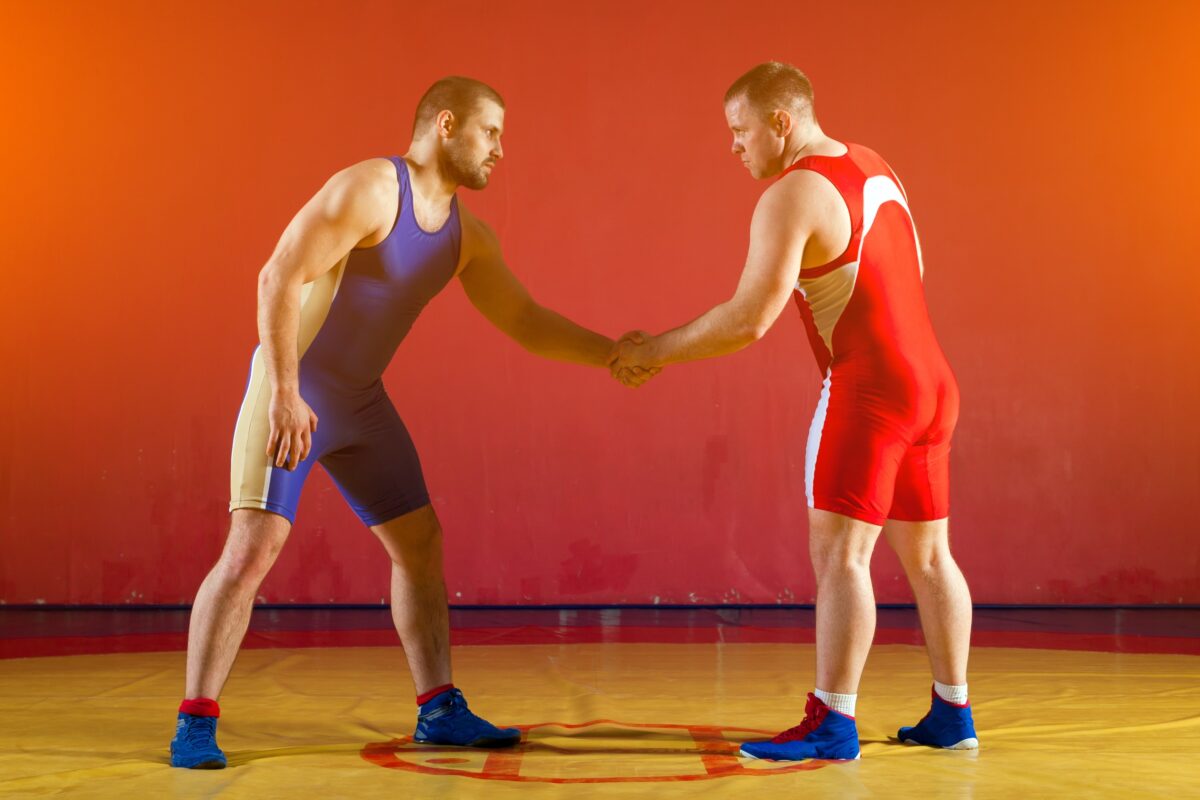
When watching mixed martial arts, striking often captures the spotlight — the dramatic knockouts, the flashy combinations. But beneath every successful fighter lies a foundation built on grappling, and particularly on wrestling.
Wrestling gives athletes the tools to dominate both offensively and defensively. Historically, wrestlers have achieved remarkable success in competition, and their ability to control where a fight takes place provides a significant strategic advantage. It was skilled wrestlers, after all, who brought an end to Brazilian Jiu-Jitsu’s early dominance in the sport.
MMA draws from disciplines like Muay Thai, Boxing, Jiu-Jitsu, and Wrestling, making it one of the most complete systems for self-defence. The goal is to develop a well-rounded fighter capable of attacking, defending, taking down, and controlling opponents at any distance. And wrestling, more than almost anything else, is what makes that control possible.
Mastering MMA wrestling techniques starts with takedowns, and the double-leg is the one every beginner should learn first. You drop your hips below your opponent’s, drive your lead foot between their legs, wrap both arms around their legs, lock your hands, and push forward, using your head against their torso to steer the movement. Simple mechanics, effective across all weight classes. When timed against an opponent’s forward momentum, it becomes remarkably hard to stop.
The single-leg takedown is the second most common option in MMA. You grab one leg with both hands and use leverage to bring your opponent down. It comes in several variations — high single, low single, and mid-level — with the high-crotch version generating the most lifting power.
Then there’s the body-lock takedown, which might surprise you: it actually boasts a higher success rate than both the single and double-leg, hovering near 60 percent in MMA competition. Sometimes the less obvious choice is the deadliest one.
The clinch is where transitions from standing to ground fighting begin. Using underhooks, body locks, and wrist control, wrestlers can neutralize dangerous strikers by keeping them pinned against the cage, unable to build combinations. It drains energy, disrupts rhythm, and sets up the next takedown before the opponent even sees it coming. Elite fighters have turned this into an art form — smothering opponents along the fence until resistance becomes almost impossible.
Once a fighter hits the ground, wrestling becomes about controlling positions, and some are far more powerful than others. Side control puts the top fighter chest-to-chest with their opponent, using underhooks and weight distribution to pin them flat. From there, the knee-on-belly position adds sharp, uncomfortable pressure while opening paths to even better spots. The ultimate destination is full mount — straddling the opponent’s torso with complete control over striking angles and submission attempts. Good takedowns should always be coupled with tight top control to maximize effectiveness.
The sprawl is the first tool every wrestler needs to master. When an opponent shoots for the legs, the response is immediate: throw your legs backward, drive your hips down, and press your weight onto their upper body. A clean sprawl not only stops the takedown cold, it opens the door for counter-attacks.
Before any of that, though, there’s the stance. A solid MMA base — feet slightly wider than shoulder-width, knees bent — allows for the quick weight shifts that make sprawling possible in the first place. From there, hand fighting takes over. Controlling your opponent’s hands might look like a minor detail, but it denies them the grips they need to initiate any takedown at all.
Against the cage, the toolkit expands: underhooks, whizzers, and wall walks each serve a different defensive purpose depending on how the opponent attacks. These aren’t just competition tools, either. In close-quarters situations — the kind that don’t come with a referee — wrestling’s focus on leverage, balance, and body control makes it effective regardless of size or strength differences. For young people specifically, wrestling training has been shown to improve well-being and resilience while reducing anxiety, developing quick decision-making, strategic thinking, and the ability to think on your feet.
At Etobicoke Martial Arts, we offer world-class training designed to build real, competition-ready skills — from takedowns to top control. Whether you’re stepping on the mat for the first time or sharpening your game as a seasoned competitor, our expert coaches are fully invested in your growth. Trusted by martial artists all across the Greater Toronto Area, we deliver structured, high-quality instruction in a welcoming environment. Don’t just watch the techniques — live them. Visit us and discover why we’re the GTA’s premier destination for wrestling classes in Etobicoke.
©2026 ETOBICOKEMARTIALARTS. All Rights Reserved.


